Asbestos is a hazardous material that was widely used in building construction across the United Kingdom for decades. While it was valued for its durability, insulation, and fire resistance, it is now recognized as a major health risk. Exposure to asbestos fibers can lead to serious diseases such as mesothelioma, lung cancer, and asbestosis. For this reason, professional asbestos testing is essential for both residential and commercial properties.
This article provides a detailed guide on why professional asbestos testing is crucial, the steps involved, and how it ensures safety for occupants and workers.
Understanding Asbestos and Its Risks
Asbestos is a naturally occurring mineral composed of fine fibers. It can be found in various building materials such as:
- Pipe and boiler insulation
- Roofing and ceiling tiles
- Textured coatings on walls and ceilings
- Flooring materials and adhesives
- Lagging around heating systems
When asbestos-containing materials are damaged, disturbed, or deteriorate over time, microscopic fibers can be released into the air. Inhalation of these fibers is extremely dangerous and may result in serious long-term health conditions. Because of this, identifying asbestos through professional testing is a critical first step before any renovation, demolition, or repair work.
Step 1: Recognize the Need for Asbestos Testing
The first step in ensuring safety is understanding when asbestos testing is necessary. Signs that testing may be required include:
- Your property was built before the year 2000
- Visible damage or deterioration to materials that may contain asbestos
- Planned renovations, repairs, or demolition work in older buildings
- Discovery of unidentified insulation, roofing, or wall materials
Ignoring these signs can increase the risk of asbestos exposure, which is why professional testing is the safest approach. Asbestos testing by West Country Asbestos provides accurate identification of asbestos-containing materials.
Step 2: Hire a Certified Asbestos Testing Company
Professional asbestos testing requires certified expertise. UK regulations mandate that certain types of asbestos surveys and testing are conducted by trained and licensed professionals. Benefits of hiring a certified company include:
- Accurate identification of asbestos-containing materials
- Safe collection of samples to prevent fiber release
- Compliance with legal regulations and Health and Safety Executive (HSE) guidelines
Always check that the company is accredited and has a proven track record in both residential and commercial testing projects.
Step 3: Conduct a Thorough Inspection
The testing process begins with a detailed visual inspection of the property. Inspectors will look for areas where asbestos is likely to be present and assess the condition of materials. Key areas for inspection include:
- Roofs and ceilings
- Walls and floors
- Insulation around pipes and boilers
- Ventilation systems
During the inspection, professionals identify the types of materials that may contain asbestos and determine the appropriate method for sampling and analysis.
Step 4: Sample Collection
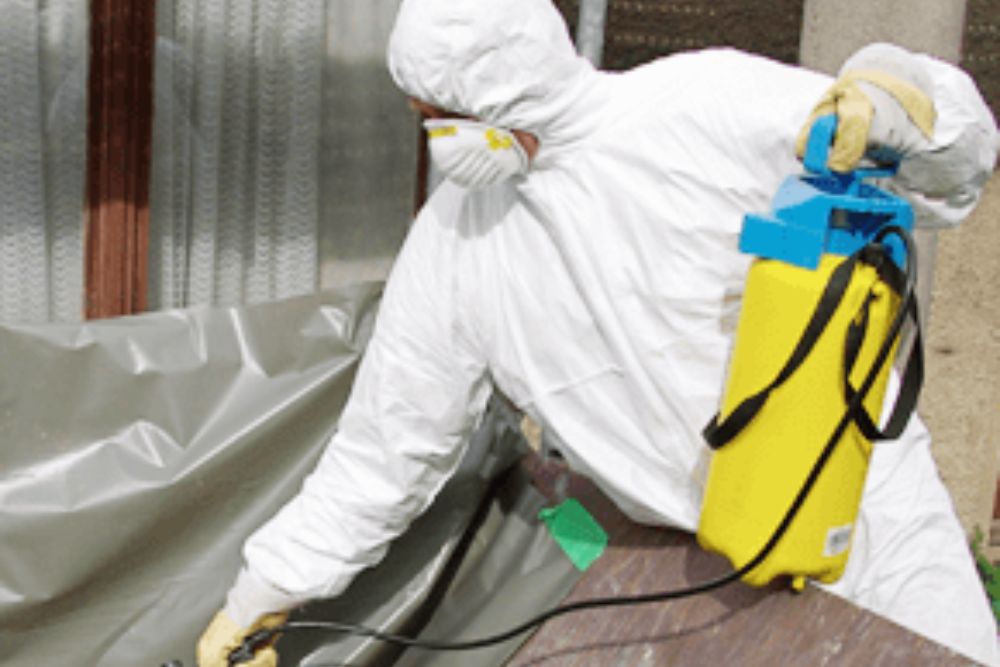
Once potential asbestos-containing materials are identified, the next step is the safe collection of samples. This is a critical part of the process because improper handling can release fibers into the air. Professional testers use specialized equipment and protective clothing to:
- Seal the work area to prevent contamination
- Collect samples without disturbing surrounding materials
- Store and transport samples safely to accredited laboratories
This step ensures that testing is accurate and minimizes the risk of exposure to residents or workers.
Step 5: Laboratory Analysis
Collected samples are sent to accredited laboratories for analysis. Here, experts examine the materials under controlled conditions to determine:
- Whether asbestos is present
- The type of asbestos (chrysotile, amosite, crocidolite, or others)
- The condition of the asbestos-containing materials
The results of the analysis provide a clear understanding of potential risks and guide the next steps for management or removal.
Step 6: Risk Assessment and Reporting
After testing is completed, the asbestos testing company provides a detailed report outlining the findings. The report typically includes:
- Locations of asbestos-containing materials
- The condition and potential risk of each material
- Recommendations for removal, encapsulation, or ongoing monitoring
This information allows property owners and managers to make informed decisions about safely handling asbestos.
Step 7: Implement Safety Measures
Based on the testing report, the next step is implementing safety measures. Depending on the risk level, actions may include:
- Hiring licensed asbestos removal professionals for high-risk materials
- Encapsulating or sealing asbestos-containing materials that are in good condition
- Maintaining records of asbestos locations for ongoing safety compliance
Implementing these measures protects residents, employees, and contractors from exposure while ensuring compliance with UK regulations.
Step 8: Ongoing Monitoring and Management
Even after initial testing, ongoing asbestos management is important for long-term safety. This includes:
- Regular inspections of asbestos-containing materials
- Updating records after renovations or building changes
- Ensuring contractors are aware of asbestos locations before starting work
Effective management prevents accidental exposure and reduces potential legal liabilities.
Why Professional Testing Is Essential
Professional asbestos testing is not just a precaution—it is a legal and health necessity. Key reasons for relying on professional services include:
- Health Protection: Minimizes exposure to dangerous fibers that can cause life-threatening diseases.
- Legal Compliance: Ensures adherence to Control of Asbestos Regulations 2012 and HSE guidelines.
- Accurate Results: Certified testers provide precise analysis that homeowners and businesses can trust.
- Safe Planning: Allows for informed decision-making regarding removal, encapsulation, or renovation.
Attempting DIY testing or relying on uncertified methods can lead to dangerous exposure and legal consequences.
Conclusion
Professional asbestos testing is a critical step for maintaining safety in residential and commercial properties across the UK. By following a structured process—from recognizing the need for testing to ongoing management—property owners can protect health, comply with legal requirements, and ensure a safe environment for all occupants.
Investing in certified asbestos testing provides peace of mind and safeguards the well-being of families, employees, and visitors. For any property built before 2000, or for buildings undergoing renovation, professional asbestos testing should always be the first step in responsible property management.