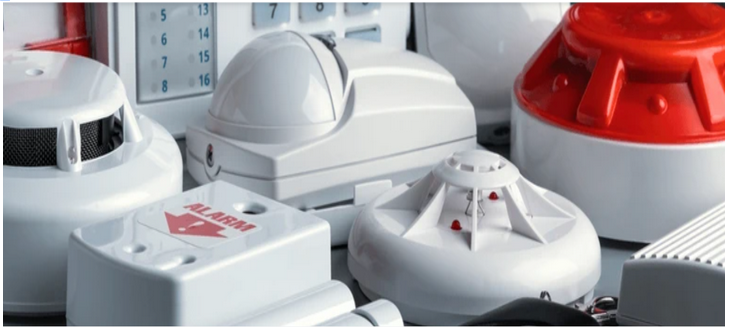
Indoor air quality has become a major concern for schools, hotels, offices, and public facilities as vaping continues to grow in popularity. Unlike traditional smoking, vaping produces aerosol particles that are often invisible and harder to detect with standard smoke alarms. This has led to increased demand for quality vape alarm solutions for safer indoor environments, designed specifically to identify vaping activity and maintain healthy, compliant spaces.
Modern vape alarm systems use advanced sensor technology, artificial intelligence, and real-time alert mechanisms to detect vaping incidents quickly and accurately. These systems help organizations enforce rules, protect occupants, and maintain clean indoor air environments.
What Are Vape Alarm Solutions?
Vape alarm solutions are specialized detection systems designed to identify vaping activity in enclosed spaces. They are different from traditional smoke detectors because they are calibrated to detect:
- Nicotine vapor
- THC aerosols
- Fine particulate matter (PM1.0 to PM2.5)
- Volatile organic compounds (VOCs)
- Sudden changes in air quality
These systems continuously monitor indoor environments and trigger alerts when vaping is detected.
Unlike standard fire alarms, vape alarms are focused on behavioral monitoring rather than fire safety, making them ideal for policy enforcement in controlled environments.
Why Indoor Environments Need Vape Alarm Systems
- Rising Vaping Incidents in Schools
Schools have seen a significant increase in vaping among students, especially in bathrooms and secluded areas. Vape alarm systems help educators identify incidents quickly and respond effectively.
- Hotel Policy Enforcement
Hotels often struggle with guests vaping in non-smoking rooms. Vape alarms help reduce:
- Room damage
- Cleaning costs
- Policy violations
- Guest disputes
- Public Space Air Quality Control
In malls, airports, and offices, maintaining clean indoor air is essential for health and comfort. Vape alarms help ensure compliance with no-vaping regulations.
How Vape Alarm Systems Work
Modern vape detection systems use a combination of sensors and intelligent algorithms to analyze air quality in real time.
- Air Quality Monitoring
Sensors continuously measure:
- Particulate matter levels
- Chemical composition of air
- Humidity and temperature changes
- Vape Signature Detection
The system identifies specific patterns associated with vaping aerosols, including rapid spikes in PM2.5 and VOC levels. Vape Detector systems from Camelott ensure reliable detection in sensitive environments.
- Real-Time Alert System
When vaping is detected, alerts are sent immediately to:
- Facility managers
- School administrators
- Security personnel
- Mobile devices or dashboards
- Incident Logging
Advanced systems record data for future analysis, helping organizations track patterns and enforce policies more effectively.
Key Features of Quality Vape Alarm Solutions
- High-Sensitivity Sensors
Quality vape alarms use advanced sensors capable of detecting even low levels of aerosol particles. This ensures early detection before vaping becomes widespread in an area.
- AI-Based Detection Technology
Modern systems use artificial intelligence to distinguish between vaping and other environmental factors such as:
- Cleaning sprays
- Perfumes
- Steam from showers
- Dust or humidity changes
AI reduces false alarms by learning normal environmental patterns over time.
- Real-Time Notifications
Instant alerts are a critical feature. Notifications can be sent through:
- SMS alerts
- Mobile apps
- Email systems
- Central monitoring platforms
This allows staff to respond quickly and prevent repeated incidents.
- Privacy-Focused Design
Most vape alarm systems do not use cameras or microphones. Instead, they rely on air quality data, making them suitable for sensitive areas like:
- School bathrooms
- Hotel rooms
- Locker rooms
- Public restrooms
This ensures compliance with privacy regulations while maintaining safety.
- Cloud-Based Monitoring
Many modern systems are connected to cloud platforms that allow centralized monitoring of multiple locations. This is especially useful for:
- School districts
- Hotel chains
- Corporate campuses
Benefits of Vape Alarm Solutions
- Improved Indoor Air Quality
By detecting vaping early, these systems help maintain clean and healthy indoor environments.
- Strong Policy Enforcement
Organizations can enforce no-vaping policies more consistently and fairly.
- Reduced Maintenance Costs
In hotels, early detection reduces cleaning and repair costs caused by indoor vaping.
- Faster Response Times
Real-time alerts ensure immediate action from staff or security teams.
- Better Behavioral Control
In schools, vape alarms help discourage students from vaping in restricted areas.
Applications in Different Environments
Schools
Schools are one of the primary users of vape alarm systems. Common installation areas include:
- Bathrooms
- Hallways
- Locker rooms
- Stairwells
These systems help reduce student vaping incidents and support disciplinary actions.
Hotels
Hotels use vape alarms to:
- Enforce non-smoking policies
- Protect room quality
- Reduce guest complaints
- Minimize cleaning costs
Offices
In corporate environments, vape alarms help maintain a professional and healthy workspace by monitoring:
- Restrooms
- Break rooms
- Restricted zones
Public Buildings
Airports, malls, and government facilities use vape detection systems to:
- Maintain air quality standards
- Enforce regulations
- Ensure public safety
Challenges of Vape Alarm Systems
- False Positives
Certain cleaning chemicals or strong scents may occasionally trigger alerts if the system is not properly calibrated.
- Environmental Sensitivity
Different locations require different sensitivity settings to ensure accuracy.
- Installation Planning
Proper placement is essential for effective detection coverage.
- Ongoing Maintenance
Regular calibration and updates are required to maintain system accuracy.
Future of Vape Alarm Technology
The future of vape detection systems is becoming more intelligent and integrated. Emerging trends include:
- AI-driven predictive detection
- Smart building integration
- Real-time behavioral analytics
- Multi-sensor fusion technology
- Automated enforcement systems
Some advanced systems already combine multiple environmental sensors with AI models to improve accuracy and reduce false alarms significantly.
Final Thoughts
Quality vape alarm solutions for safer indoor environments are becoming essential tools for maintaining health, safety, and policy compliance in modern buildings. With advanced sensors, AI-powered detection, and real-time alert systems, these technologies help organizations respond quickly and effectively to vaping incidents.
Whether used in schools, hotels, offices, or public facilities, vape alarms provide a reliable way to improve indoor air quality and enforce regulations. As technology continues to advance, these systems will become even more accurate, intelligent, and widely adopted, ensuring safer indoor environments for everyone.