Contract for Difference (CFD) trading offers Indian retail traders access to global financial markets, including stocks, indices, commodities, and forex. While CFDs provide flexibility and leverage, successful trading requires more than intuition—it demands professional tools that help analyze markets, manage risk, and execute trades efficiently.
This article explores essential professional tools every Indian CFD trader should use to enhance their trading experience and improve performance.
- Advanced Trading Platforms
A robust trading platform is the backbone of CFD trading. Key features include:
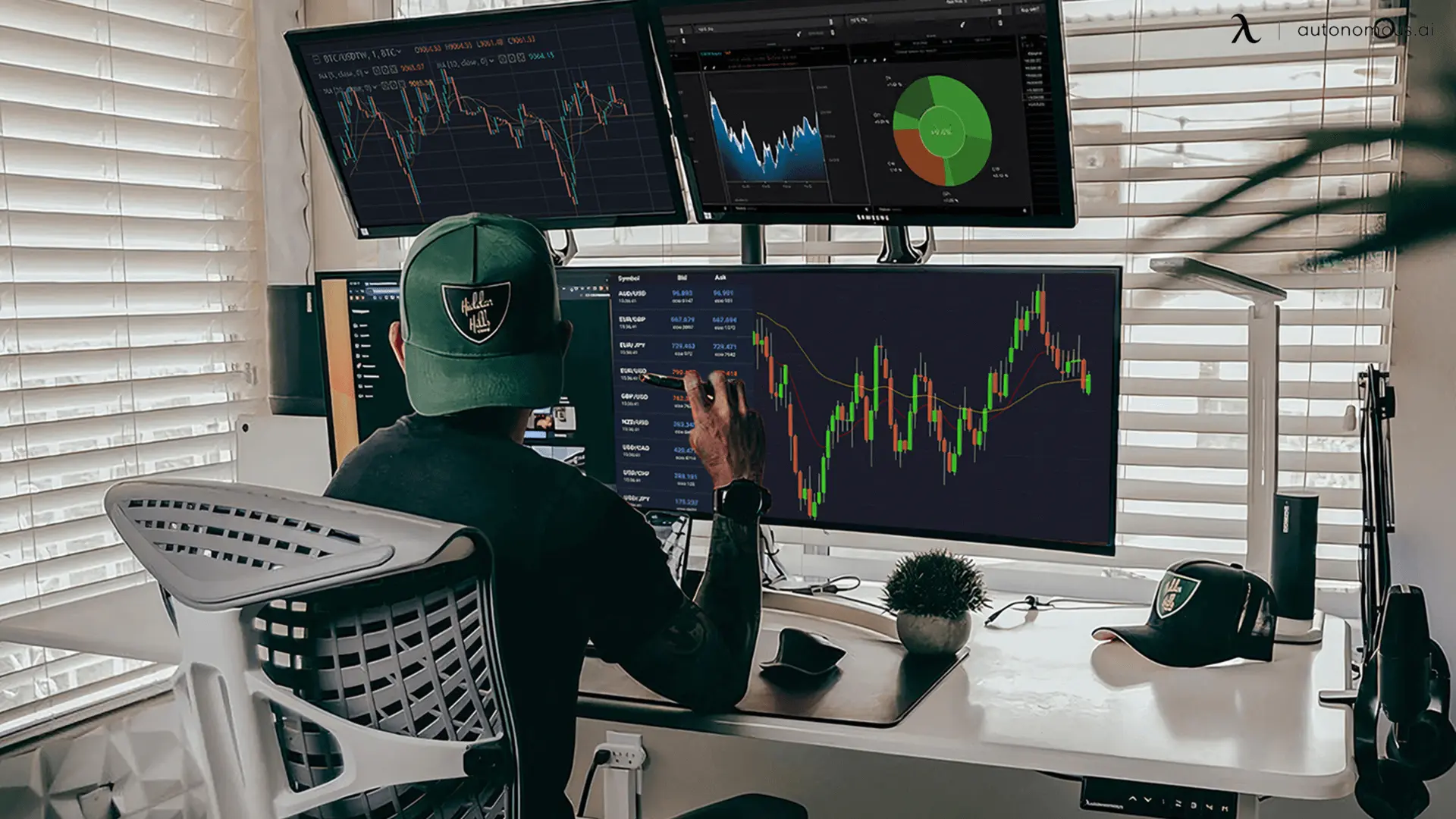
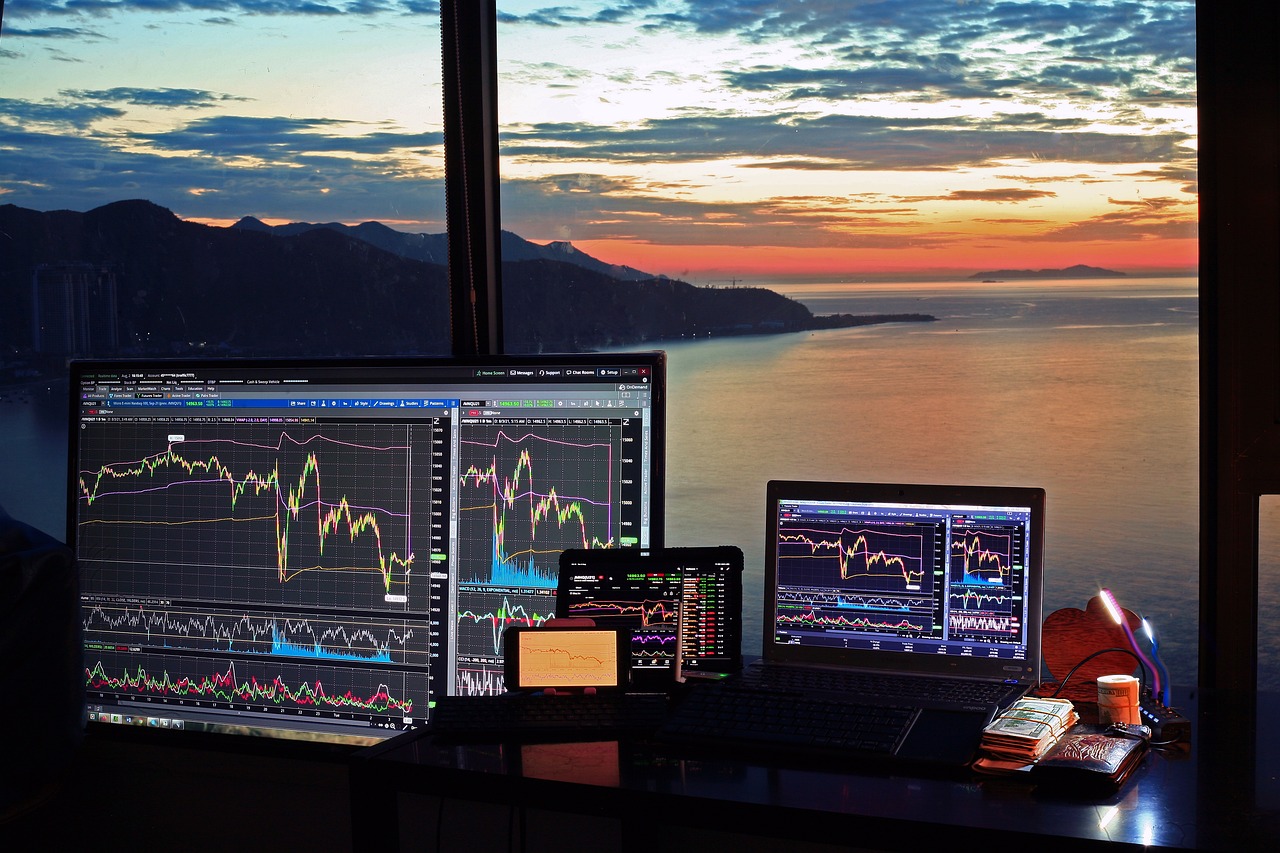
- Real-time price charts, technical indicators, and customizable layouts
- Integrated risk management tools (stop-loss, take-profit, margin alerts)
- One-click order execution and fast trade processing
- Mobile compatibility for trading on the go
Benefit for Indian traders: Advanced platforms help analyze markets quickly, execute trades efficiently, and monitor positions in real time.
- Technical Analysis Tools
Technical analysis is crucial for CFD trading. Professional tools include:
- Charting software with candlestick patterns, trendlines, and support/resistance levels
- Indicators and oscillators like RSI, MACD, Bollinger Bands, and moving averages
- Pattern recognition tools for spotting trends and potential reversals
Benefit: Indian traders can identify entry and exit points, detect trends, and make informed trading decisions. Choosing Vida Markets for Indian traders allows Indian investors to access global markets from a local perspective.
- Fundamental Analysis Resources
For CFD traders who focus on underlying asset value:
- Economic calendars for tracking key events, such as RBI announcements, GDP releases, or corporate earnings
- News feeds with global market updates, geopolitical events, and policy changes
- Company financial reports for stock CFDs
Benefit: Fundamental analysis allows Indian traders to anticipate market-moving events and align trades with long-term trends.
- Risk Management Tools
Professional CFD traders always prioritize risk management:
- Stop-loss and take-profit orders to limit losses and secure profits
- Trailing stops to protect gains during favorable market movements
- Margin calculators to determine capital requirements for leveraged positions
- Negative balance protection to prevent losses exceeding account equity
Benefit: Proper use of risk management tools ensures Indian traders protect capital while trading actively.
- Portfolio Tracking and Analytics
Effective traders monitor their overall performance using:
- Portfolio dashboards displaying current positions, unrealized profits/losses, and exposure
- Performance analytics highlighting win/loss ratios, average returns, and risk-reward metrics
- Tools for diversifying trades across multiple assets and managing correlated positions
Benefit: Analytics empower Indian traders to evaluate strategy effectiveness and make data-driven adjustments.
- Automated Trading and Algorithmic Tools
Professional Indian traders often use automated trading solutions:
- Algorithmic trading platforms for executing pre-programmed strategies
- Expert Advisors (EAs) or trading bots integrated with CFDs
- Alerts and triggers for automatic execution based on market conditions
Benefit: Automation reduces emotional trading and ensures consistent execution of strategies even during high volatility.
- Economic Calendars and Alerts
Monitoring market-moving events is crucial in CFD trading:
- Real-time notifications for economic releases, central bank meetings, and corporate news
- Alerts for price thresholds, margin calls, or trading account limits
- Integration with trading platforms or mobile apps
Benefit: Indian traders can react promptly to market changes and minimize losses caused by unexpected volatility.
- Community and Social Trading Tools
Professional tools also include access to trader communities and social trading platforms:
- Copy trading to follow experienced traders’ positions
- Discussion forums and social groups for strategy sharing and insights
- Sentiment indicators reflecting market consensus
Benefit: Beginners and intermediate Indian traders can learn from experienced traders and gain market insights without trial-and-error losses.
- Backtesting and Strategy Simulators
Testing strategies before trading real capital is essential:
- Backtesting tools allow Indian traders to evaluate strategies using historical data
- Strategy simulators enable risk-free testing in demo environments
- Scenario analysis to predict outcomes under various market conditions
Benefit: Backtesting reduces risk and improves confidence in strategy execution.
- Mobile Trading Applications
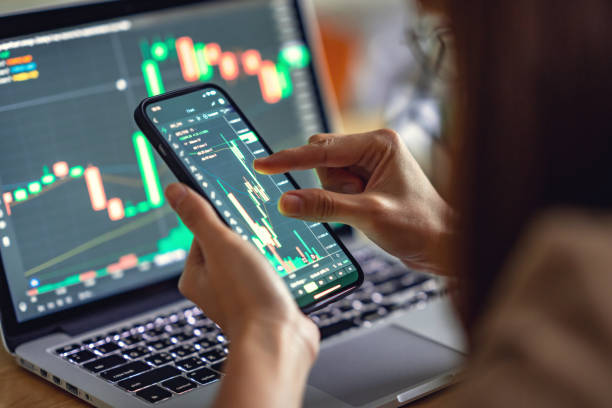
Modern CFD brokers provide mobile apps with professional-grade tools:
- Real-time charts, indicators, and order execution
- Notifications for stop-loss, take-profit, and market alerts
- Portfolio monitoring and analytics on the go
Benefit: Mobile trading ensures Indian traders can stay connected to markets and manage risk anywhere, anytime.
Key Takeaways for Indian CFD Traders
- Use advanced trading platforms for efficient execution and real-time analysis.
- Leverage technical and fundamental analysis tools to make informed decisions.
- Prioritize risk management with stop-losses, take-profits, and margin calculators.
- Monitor performance with portfolio analytics and trade history reviews.
- Consider automation and algorithmic trading for consistent strategy execution.
- Track economic events and market alerts to stay ahead of volatility.
- Engage with trader communities for insights and strategy sharing.
- Test strategies using backtesting and demo accounts before trading real capital.
- Use mobile trading apps for flexibility and timely trade management.
Professional tools are essential for success in CFD trading. By using advanced trading platforms, analysis tools, risk management features, and automation, Indian traders can trade more efficiently, protect their capital, and make informed decisions.
For Indian CFD traders, integrating these tools into daily trading routines is key to building consistency, improving strategy execution, and achieving long-term profitability.